Total Handbook to Water Damage Restoration Assistance: What You Must Recognize
Water harm can come from diverse causes, often leading to major structural and health concerns. Grasping the immediate actions to take is essential. A comprehensive assessment can avoid further problems and facilitate processing insurance requests. The cleanup process demands meticulous attention to detail. However, the selection of a dependable repair company often becomes a key factor in effective restoration. What approaches can homeowners employ to protect their homes against future events?
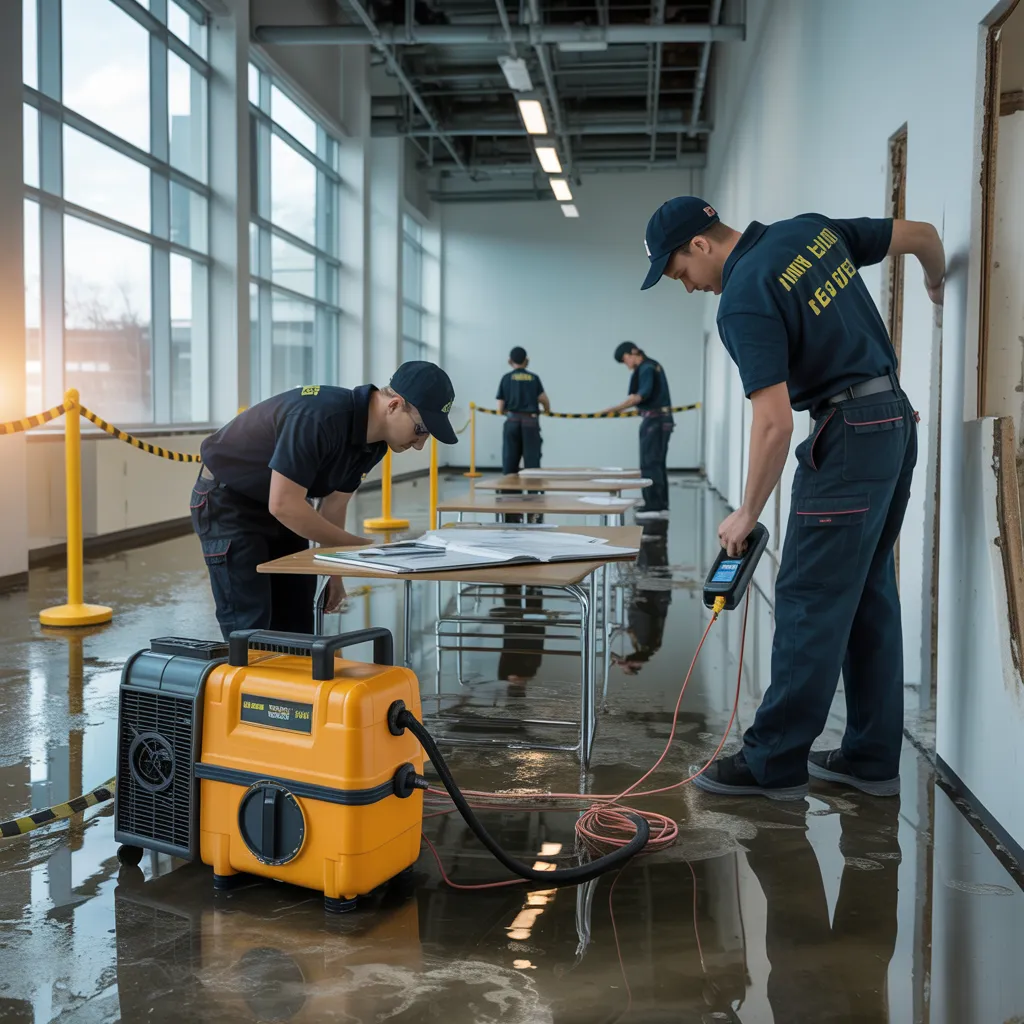
Spotting Water Damage Symptoms: Main Reasons and Fast Action
Identifying wet damage requires keen observation and swift measures. Common causes include leaks from roofs, plumbing failures, and water intrusion. These issues can appear as visible stains, mold growth, or damaged surfaces. Homeowners should periodically check areas prone to moisture, such as basements, bathrooms, and kitchens, looking for discoloration or musty odors that may indicate hidden damage.
Alongside visual indicators, gauging for elevated humidity levels can suggest water difficulties. If any indicators of damage are revealed, prompt action is mandatory. This may require stopping water flow, eliminating standing water, or moisture-removing impacted areas to halt additional damage. Delaying your action can amplify problems, triggering structural issues and wellness risks. Detecting and resolving water damage rapidly can cut extensive repair costs and fortify the protection and durability of the property.
The Significance of Immediate Water Damage Evaluation
Swift water damage evaluation is critical for determining the degree of harm and preventing subsequent complications. Quick assessment not only helps in efficient repair but also summary supports the insurance claim procedure. Tackling water damage rapidly can greatly mitigate prolonged consequences on property and finances.
Quick Damage Recognition
Quick damage assessment plays an essential role in effective water damage remediation. Prompt evaluation enables property owners and restoration professionals to assess the magnitude of the damage, which is vital for determining the necessary remediation steps. Early discovery permits a thorough review of affected areas, including hidden spaces like walls, floors, and ceilings, where moisture may linger and cause further deterioration. Additionally, immediate recognition helps in minimizing potential health risks related to mold growth and structural instability. By promptly evaluating the damage, restoration teams can develop a targeted action plan, prioritize repairs, and allocate resources optimally. Ultimately, swift damage identification is pivotal in minimizing losses and ensuring a successful restoration outcome.
Reducing Extra Difficulties
Once an initial assessment of water damage is complete, the next step calls for a detailed evaluation to stop further complications. This assessment is indispensable in identifying areas at hazard for mold growth, structural instability, and electrical hazards. Professionals typically inspect affected materials, including drywall, flooring, and insulation, to gauge their condition and whether they necessitate replacement or drying. Immediate action can mitigate long-term damage, ensuring that moisture is promptly removed and the environment is normalized. Additionally, addressing potential sources of water intrusion, such as leaks or drainage issues, is essential. By centering on swift and extensive appraisals, property owners can safeguard their investments and maintain a safe living environment, curbing the likelihood of extensive repairs and health risks in the future.
Insurance Claim Help
Recording water damage promptly is crucial for property owners pursuing insurance claims. An immediate assessment helps determine the extent of the damage, which is critical for filing a successful claim. Insurance companies often require detailed evidence, including photographs and reports from restoration professionals. This documentation should include the source of the water, the affected areas, and any immediate actions taken to mitigate further damage.
Retaining a repair company can streamline this procedure, as they possess the knowledge to provide precise evaluations. Additionally, prompt record-keeping can avoid issues in claims processing, guaranteeing that property owners obtain the necessary financial support for restoration. In the end, swift action can greatly influence the result of an insurance claim involving water damage.
Water Damage Cleanup Steps Guide
The water damage cleanup procedure includes several essential steps to effectively rehabilitate a property. First, identifying the origin of the water infiltration is critical to prevent further damage. Next, the area must be securely cleared, guaranteeing that all occupants are moved to a safe location. Once the space is clear, water extraction starts, using specialized equipment to extract standing water.
Following the extraction, the moisture elimination process initiates, involving dehumidifiers and air handlers to dry carpets, walls, and furniture. This step is important to avoid mold development and structural damage. After drying, the cleaning and sanitization of affected surfaces is performed, ensuring contaminants are removed. Finally, any damaged materials, such as drywall or flooring, should be replaced. Properly completing these steps is essential for effective restoration and to return the property to its pre-damage state.
Strong Restoration Methods for Water Damage
Effective repair approaches for water damage center on critical steps that ensure thorough recovery. Water extraction methods are important to eliminate surplus water, followed by moisture reduction and drying to avoid further issues. Additionally, implementing mold prevention strategies is critical to safeguard affected areas from future contamination.
Techniques for Water Extraction
Water extraction methods serve an important function in mitigating damage after flooding or leaks. These methods are critical for removing standing water rapidly to prevent further structural damage and mold growth. Common techniques include the use of pump systems, which efficiently expel large volumes of water from affected areas. Additionally, truck-mounted vacuums can handle substantial extraction tasks, making them ideal for widespread flooding situations. Portable extractors also serve well in confined spaces, facilitating targeted water removal. The efficiency of these methods relies on prompt action and the severity of the water intrusion. Utilizing the appropriate equipment provides a thorough approach to water extraction, setting the stage for subsequent restoration efforts.

Drying and Dehumidification
Achieving complete drying and dehumidification is fundamental for restoring properties impacted by water damage. Proper drying requires the use of specialized equipment, including high-speed air movers and industrial dehumidifiers, to remove moisture from the affected areas. This process generally begins within 24 to 48 hours after extraction to prevent further harm. Monitoring moisture with hygrometers ensures that all areas achieve the necessary dryness, particularly in hidden areas such as walls and under flooring. Dehumidification supports maintaining optimal humidity levels, preventing secondary problems. The combination of adequate air flow and dehumidification effectively lowers the risk of residual moisture that could damage structural integrity. Ultimately, a precise approach to drying and dehumidification is essential to successful water damage restoration.
Mold Control Techniques
Mold prevention is crucial in the aftermath of water damage, as even small amounts of residual moisture can lead to considerable growth. Effective strategies include thorough drying and dehumidification of affected areas, ideally within 24 to 48 hours post-exposure. Utilizing air movers and dehumidifiers helps reduce humidity levels, while sealing any leaks or cracks prevents future moisture intrusion. Regular inspections of hidden spaces, such as attics and basements, can catch potential mold growth early. It’s also advisable to maintain proper ventilation in indoor spaces and to use mold-resistant products when renovating. Finally, adopting a proactive approach, such as monitoring humidity levels, can greatly mitigate the risk of mold proliferation and protect the integrity of the property.
Anticipated Outcomes When Repairing Structural Damage
Fixing building deterioration requires a thorough understanding of both the extent of the harm and the necessary steps for restoration. Initially, a comprehensive evaluation is performed to locate damaged zones, including partitions, floors, and bases. This evaluation informs the repair process, guaranteeing that all compromised structures are handled.
Next, junk removal and air drying are critical. Effective drying prevents advanced degradation and prepares the site for remediation. After drying, specialists may brace or exchange impaired elements, such as beams or drywall, using proper methods to reinstate integrity.
Inspections are completed to verify adherence with safety protocols. To finish, final touches, like flooring and painting, are put in place to match the original aesthetic. During the process, open communication with property owners proves essential, providing updates and setting realistic expectations. Understanding these phases enables homeowners to navigate the challenges involved in structural restoration following water damage.
Choose a Dependable Flood Repair Company
In what way can property owners confirm they identify a reliable water damage remediation service? First, detailed research is necessary. Homeowners should seek companies with strong reputations, often reflected by online assessments and testimonials. Checking for accreditations and credentials can further substantiate that the service maintains industry standards.
Then, collecting several estimates enables homeowners to evaluate services while examining cost clarity. A trustworthy company should deliver clear estimates without hidden fees. Additionally, checking the experience of the technicians can demonstrate the company's expertise in handling specific types of water damage.
Additionally, quick response times are vital; a trustworthy service should be available 24/7 to handle emergencies. Ultimately, verifying that the company offers an comprehensive range of services—including water extraction, drying, and repairs—can ensure that all aspects of the restoration process are addressed. By following these guidelines, homeowners can make well-informed decisions and secure effective water damage restoration.
Advice for Avoiding Next Water Damage in Your Home
After choosing a dependable water damage restoration service, homeowners can implement preventative measures to minimize the risk of future incidents. Routine checks of plumbing and appliances are essential; leaks can form subtly over time. Homeowners should also make certain that gutters and downspouts are clear, channeling water away from the foundation. Adding sump pumps in basements can efficiently control excess water during heavy rains.
An essential approach is to guarantee sufficient airflow in spaces vulnerable to moisture, such as bathrooms and kitchens. This can be managed through air extraction systems or dehumidifiers. Additionally, homeowners should evaluate utilizing water leak detectors that set off alarms when moisture is sensed, delivering prompt notifications.
In conclusion, ensuring that the home's foundation is appropriately drained and correctly pitched can prevent water accumulation. By adopting these techniques, homeowners can greatly reduce the probability of water damage in their homes.
Frequently Asked Questions
What is the Average Cost of Water Damage Recovery?
Generally, water damage restoration costs between $1,000 and $5,000, based on the extent of the damage. The price is affected by the size of the affected area, severity, and necessary repairs or replacements. Elements affecting the overall cost include these factors.
Does My Insurance Pay for Water Damage Restoration Expenses?
Insurance protection for water damage repair varies by policy and situations. Generally, standard homeowners' insurance may cover sudden, accidental damage, while flood damage often requires specific flood insurance. Examining the policy details is essential for clarity.
What timeline should you anticipate for the restoration project?
The repair procedure typically takes between three days to several weeks, depending on the severity of the damage, the size of the affected area, and the effectiveness of the repair crew managing the situation.
May I Remain in My Home While the Repair is Taking Place?
Staying in a home during renovation depends on the extent of the harm. If major repairs are needed, safety concerns may necessitate temporary displacement. Evaluating air quality and structural soundness is crucial for determining whether to relocate.
How Should I Manage My Possessions During Restoration?
During restoration, it is recommended to move valuables from compromised locations. Goods should be secured in a sound and dry place to avert continued deterioration, providing both wellbeing and ease of access during the repair period.